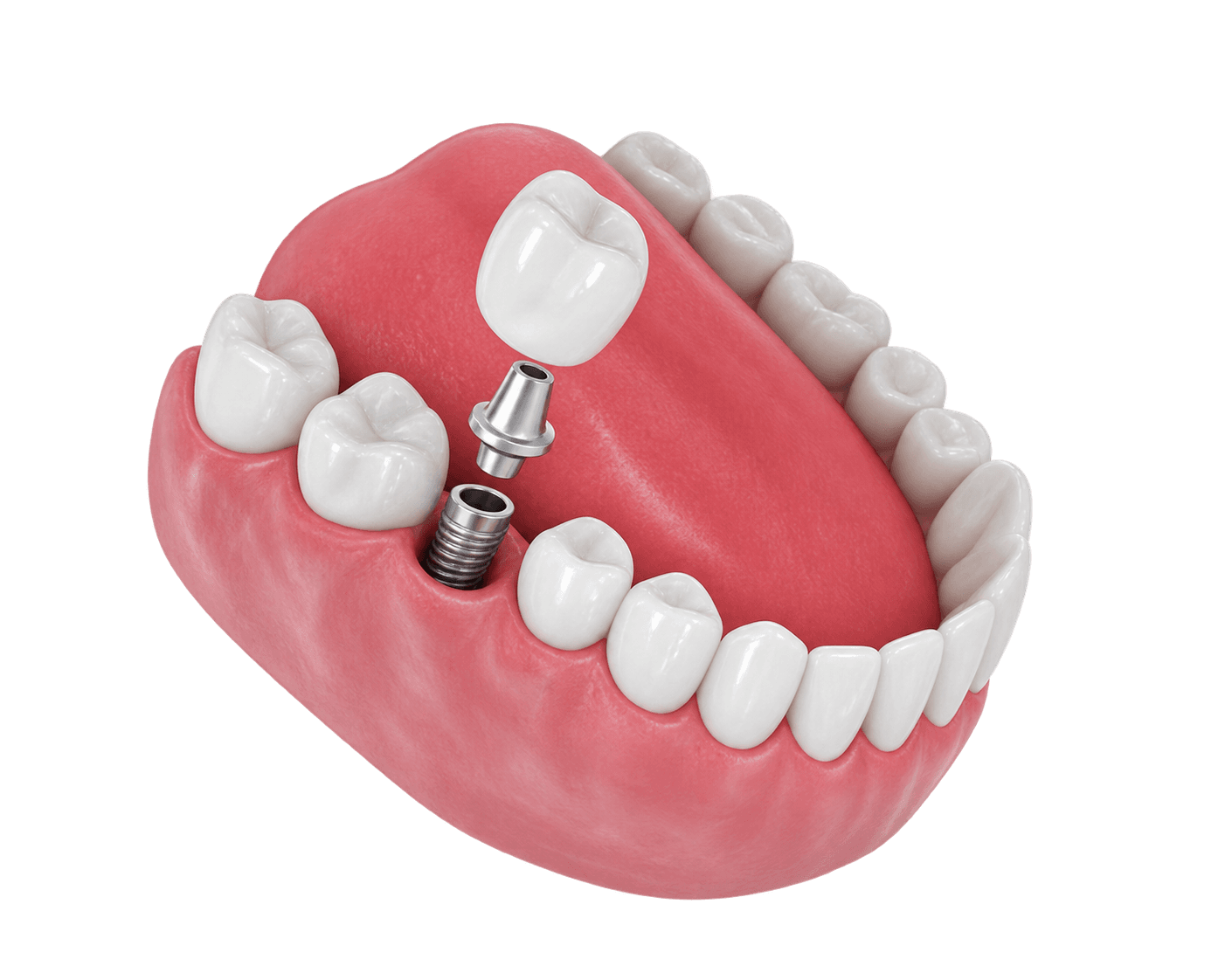
Single-Tooth Implants
Restoration-led care for a missing tooth or a previously placed implant.
- Single or multiple implant restorations
- Individualized restorative planning
Reconstruction designed around you, not a standardized procedure.

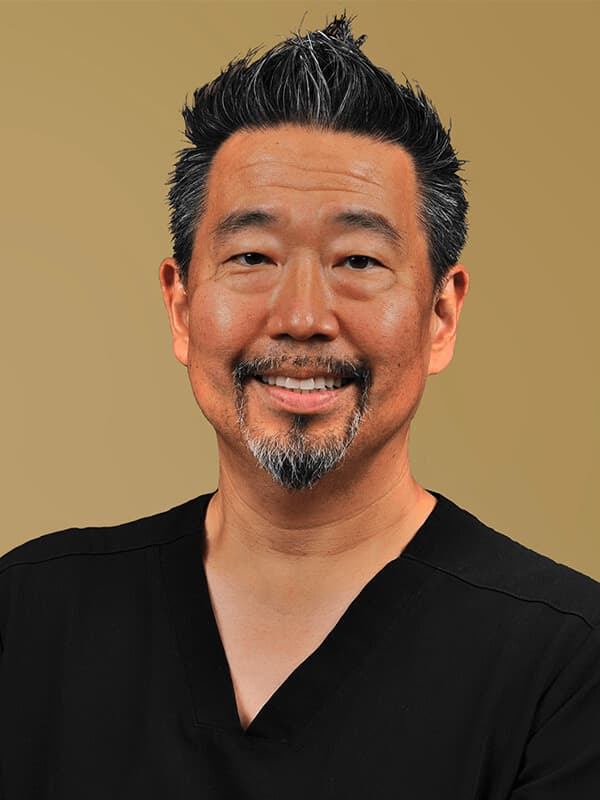
Seung Paik is a board-certified prosthodontist with more than two decades of clinical expertise in complex prosthetic rehabilitation, full-arch restoration, and comprehensive treatment planning.
Every treatment begins with how your new teeth should look, feel, fit, and function.
Digital scanning and implant photogrammetry support precision, fit, and patient comfort.
He earned his Doctor of Dental Surgery degree from the University of Maryland School of Dentistry in 2002 and completed his prosthodontic residency at the University of Maryland from 2002 through 2005. He later served as an associate clinical professor in the university’s prosthodontic residency program, contributing to the education and training of future specialists.
His clinical approach combines advanced prosthodontic planning, digital technology, careful surgical-prosthetic coordination, and individualized care. Rather than focusing on a single procedure, Seung Paik evaluates how each component of treatment must work together to support a complete functional and esthetic result.
Patients frequently seek his expertise for situations involving:
Failing or missing teeth
Full-arch dental implant treatment
All-on-X and All-on-4 treatment
Complex implant-supported restorations
Worn or collapsed bites
Failing crowns and bridges
Compromised implant restorations
Implant-supported dentures
Prior treatment that has not met the patient’s expectations
Complex cases requiring a second opinion
Restoration-led care for a missing tooth or a previously placed implant.
Greater stability than conventional removable dentures.
Care for several missing teeth or an existing implant-supported bridge.
Full-arch dental implants replace most or all the teeth in an upper or lower jaw with a fixed implant-supported restoration. A carefully planned number of implants supports a complete arch of replacement teeth, rather than placing a separate implant for every missing tooth.
At Integralis, full-arch treatment is approached as comprehensive prosthodontic reconstruction. Planning considers your bite, facial proportions, restorative space, implant distribution, prosthetic design, materials, esthetic goals, and long-term maintenance.
Treatment may include:
All-on-X and All-on-4 treatment
Fixed full-arch implant bridges
Zirconia full-arch restorations
Upper-arch reconstruction
Lower-arch reconstruction
Immediate-load or “teeth-in-a-day” concepts when clinically appropriate
Replacement of failing full-mouth dentistry
Full-arch implant revisions
Full-mouth reconstruction addresses extensive dental damage involving multiple teeth, the bite, esthetics, function, or a combination of these concerns. Treatment may involve natural teeth, dental implants, or both.
Patients may benefit from full-mouth reconstruction when they have:
Severely worn or damaged teeth
A collapsed bite or loss of vertical dimension
Multiple failing crowns and bridges
Extensive decay
Trauma-related dental damage
Developmental dental conditions
A combination of natural teeth and implants
Complex restorative failures
Every reconstruction is customized to the patient’s anatomy, dental condition, goals, and functional needs. The objective is to restore the mouth as a coordinated whole rather than treating each problem independently.
Not every implant case requires replacement of an entire arch. Integralis also treats patients with complex implant needs involving one tooth, several teeth, implant-supported bridges, or previously placed implants.
Care may include:
Single or multiple implant restorations
Implant-supported bridges
Restoration of previously placed implants
Complex restorative implant treatment
Treatment following failed conventional dentistry
Combination tooth-and-implant reconstruction
Prosthetic complications requiring advanced planning
Dental implants can remain stable while the bridge, prosthesis, bite, esthetics, or restorative components develop problems. In other circumstances, the implants themselves or surrounding tissues may require further evaluation.
Seung Paik evaluates existing implant restorations to determine what can be retained, what may need to be corrected, and whether a new prosthetic solution is appropriate.
Common reasons for an evaluation include:
A failing All-on-X or full-arch implant bridge
Broken or worn prosthetic teeth
An uncomfortable or unstable bite
Esthetic concerns
Fractured restorative components
Existing implants that need a new prosthesis
Difficulty chewing or speaking
A restoration that is difficult to clean
Complications requiring complex restorative planning
Concerns about a previously recommended revision
For patients with advanced esthetic and functional concerns, treatment may combine careful restorative planning with high-quality ceramic dentistry.
Services may include:
Complex porcelain veneers
Advanced crowns
Onlays and partial crowns
Esthetic rehabilitation
Smile reconstruction
Correction of crown shade mismatch
Replacement of failing cosmetic dentistry
Restoration of function and appearance together
The objective is not simply to make teeth look different. It is to create a result that works with the patient’s bite, facial proportions, dental condition, and long-term restorative needs.
Implant-supported dentures offer greater stability than conventional removable dentures and may be an option for patients who struggle with movement, discomfort, chewing limitations, or reduced confidence.
Options may include:
Removable implant overdentures
Fixed implant-supported teeth
Upper implant overdentures supported by a titanium bar or attachment system
Lower implant overdentures
Conversion from removable dentures to fixed teeth
Complex treatment for significant bone loss or difficult anatomy
Conventional dentures can still be an appropriate treatment when they are planned and designed with the same attention given to more complex prosthetic care.
Seung Paik provides advanced denture treatment for patients with:
Difficult oral anatomy
Significant bone loss
Poor previous denture experiences
Complex esthetic needs
Fit or stability concerns
Full-denture or partial-denture needs
Unique functional or facial-support requirements
A major dental treatment decision deserves clarity.
A second opinion may be helpful if you:
Are considering All-on-X or All-on-4 treatment
Have received a full-arch treatment plan
Have been told that your remaining teeth cannot be saved
Are uncertain about fixed versus removable options
Have an existing implant restoration that is failing
Are concerned about your bite, appearance, or ability to clean your restoration
Want a prosthodontic perspective before moving forward
Have received conflicting treatment recommendations
Your consultation is designed to help you better understand your condition, available options, likely restorative needs, and questions to consider before treatment.
Every treatment begins with the result we want to achieve: how your new teeth should look, feel, fit, and function.
We begin with your concerns, treatment history, priorities, and the outcome you hope to achieve.
We consider your teeth, implants, bite, bone, soft tissue, and existing dentistry.
The desired restorative result guides surgical, implant, material, and prosthetic requirements.
Coordinated treatment, careful refinement, and long-term support protect the final result.
1. Listen and Understand
We begin by learning about your current concerns, treatment history, priorities, expectations, and the outcome you hope to achieve.
2. Evaluate the Whole System
Your examination considers your teeth, implants, bite, bone, soft tissue, facial proportions, restorative space, existing dentistry, and prosthetic condition.
3. Design the Reconstruction
The desired restorative result is planned first. This helps define the appropriate surgical, implant, material, and prosthetic requirements.
4. Coordinate Treatment
When surgical care is needed, treatment is coordinated so that implant placement and prosthetic design support the same final objective.
5. Deliver and Refine
Fit, function, speech, bite, comfort, cleanability, and esthetics are evaluated as the final restoration is developed.
6. Support the Result
Follow-up visits and long-term prosthetic maintenance help protect the reconstruction and identify concerns before they become more serious.
Thoughtful care. Clear explanations. Respect for your individual goals.
Implant Dentures
Implant Dentures
Implant Dentures
Implant Dentures
| ∫xdIntegralisDIMENSIONAL PROSTHODONTICS | What This Means for You |
|---|---|
| Specialist-Led Care | Advanced training in restoring and replacing teeth. |
| Restoration-Driven Planning | Your intended final result guides treatment. |
| Extensive Full-Arch Experience | More than 14,000 arches delivered and maintained since 2005. |
| Technology in Service of Precision | Digital scanning and implant photogrammetry. |
| Individualized, Unhurried Care | Thoughtful recommendations built around you. |
| Long-Term Perspective | Attention to function, maintenance, and lasting stability. |
Replacing teeth is only one part of advanced dental reconstruction. Successful treatment must also account for your bite, facial proportions, available prosthetic space, implant position, soft-tissue contours, restorative materials, esthetic goals, and the way the final restoration performs as a complete system.
At Integralis, these considerations are brought together before treatment begins. This restoration-driven approach allows the final result to guide implant placement, prosthetic design, material selection, and the coordination of surgical and restorative care.
The goal is not simply a dramatic transformation on the day of treatment. It is a carefully engineered reconstruction designed to provide lasting function, natural-looking esthetics, stability, and confidence.
Integralis collaborates with general dentists, specialists, and surgical providers when the restorative outcome needs to guide the treatment plan.
Appropriate referrals may include:
Full-arch implant rehabilitation
All-on-X restorative planning
Complex implant-supported prosthetics
Worn dentition and loss of vertical dimension
Failing crowns, bridges, or implant restorations
Complex esthetic cases
Prosthetic complications
Implant revision
Second opinions
Cases requiring coordinated surgical and restorative planning
Our referral commitment includes clear communication, respect for the established doctor-patient relationship, collaborative planning, and continuity with the referring practice.
Refer a Patient Speak With Dr. PaikA prosthodontist is a dental specialist who has completed advanced education focused on restoring and replacing teeth. Prosthodontists treat cases involving dental implants, crowns, bridges, dentures, bite problems, esthetic rehabilitation, and complex full-mouth reconstruction.
Both terms describe full-arch treatment in which multiple dental implants support a fixed restoration. All-on-4 specifically refers to a four-implant concept, while All-on-X is a broader term that allows the number and position of implants to be determined by the patient’s anatomy and treatment needs.
Potential candidates include patients with failing teeth, extensive decay, advanced tooth loss, uncomfortable dentures, or compromised full-mouth dentistry. Candidacy can only be determined after a clinical and diagnostic evaluation.
Yes. Integralis evaluates previously placed implants and restorations, including failing implant bridges, worn prosthetic teeth, bite concerns, esthetic problems, fractured components, and restorations that may need replacement.
In some situations, part or all of an existing restoration may be repaired, redesigned, or replaced. The appropriate approach depends on the condition and position of the implants, restorative components, supporting tissues, bite, prosthesis, and available space.
Yes. Second-opinion consultations are available for patients considering full-arch implant treatment, comparing treatment plans, experiencing complications, or seeking a prosthodontic perspective before proceeding.
A fixed full-arch restoration is secured to dental implants and is not removed by the patient. Implant overdentures are removable by the patient. The appropriate option depends on clinical needs, anatomy, hygiene considerations, restorative space, and personal preferences.
Treatment length varies according to the patient’s dental condition, implant needs, healing, whether existing teeth must be removed, and the type of final restoration. A personalized timeline should be provided after diagnostic evaluation.
Temporary fixed teeth may be possible in appropriate cases. The ability to provide an immediate restoration depends on implant stability, bone conditions, treatment design, and other clinical factors.
Full-arch restorations require daily home care and professional maintenance. The specific cleaning method and follow-up schedule depend on the restoration design and the patient’s individual oral-health needs.
Request a consultation with Seung Paik, DDS, MS, board-certified prosthodontist. Explore an individualized path forward for your smile.
Request a Consultation